Mt Shunt Reactors
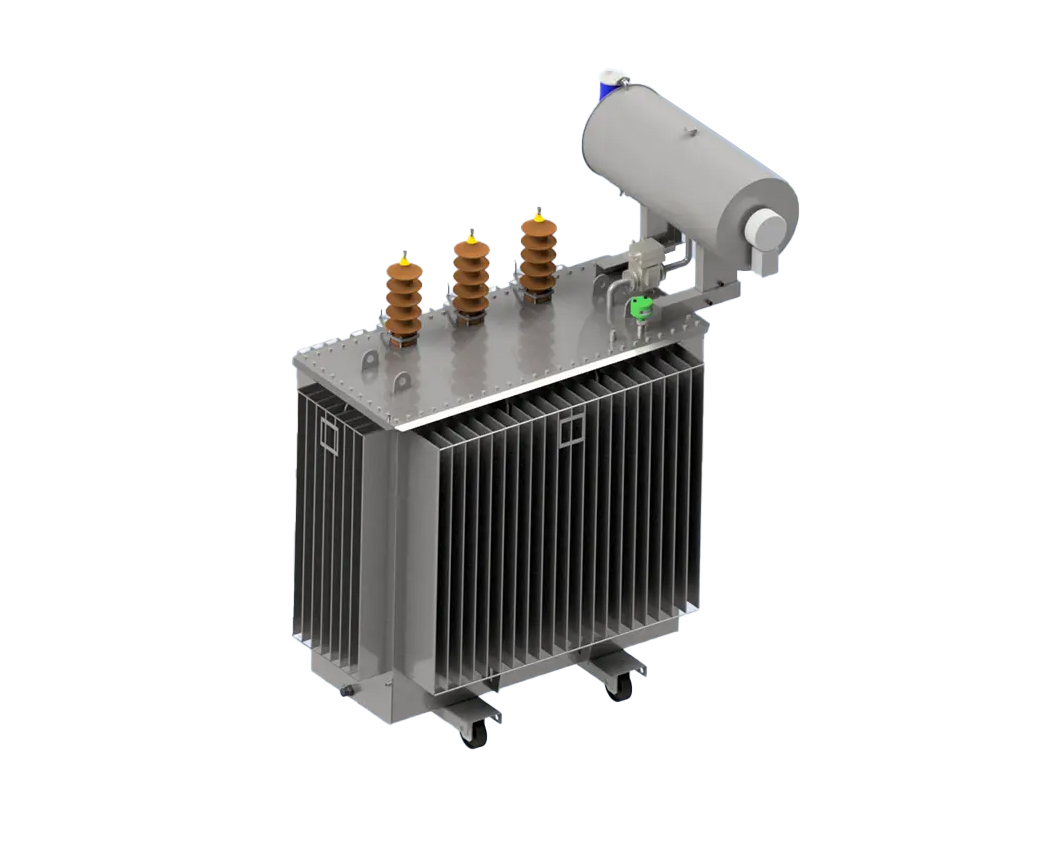
It can be produced in the reactive power range of 25 kVAr – 10 MVAr, up to a voltage level of 36 kV, with three-phase or single-phase, oily type, dry type, constant power or with automatic power tap changer under charge.
Shunt reactors have a magnetic core structure with a winding and a distributed air gap. It works on the principle that the windings create a certain value of inductance thanks to the energy stored in the spaces of the magnetic circuit. It must be considered that it consumes active energy, so it is in low quantity.
Shunt reactors are also called inductive load reactors.
Shunt
reactors are devices that act as an inductive load to provide a
capacitive-inductive power balance in capacitive operations.
Capacitive
effects on long power transmission lines cause the system to
overcompensate and reduce load capacity. Shunt reactors are used to
eliminate these effects.
The main problems caused by capacitive reactive energy are;
To. Payment of Reactive Penalty Fee
b. Reduced life of the energy system and devices connected to the system
vs. Reduction of the active energy transmitted by the transmission line
d. Incur additional maintenance and repair costs